How can I prevent self-plagiarism when writing academic papers?
To prevent self-plagiarism when writing academic papers, you need to understand when and how you can reuse your earlier work. It also helps to use tools like the Plagiarism Checker on iOS. The app gives instant reports with clear plagiarism checks, which can help you keep your writing original and honest.
 |
 |
Understanding Self-Plagiarism
Self-plagiarism happens when an author reuses parts of their own published work without citing it or noting that it was used before. Traditional plagiarism uses someone else’s work. Self-plagiarism reuses your own content. Even so, it can still mislead readers and harm trust in academic work.

Self-plagiarism can happen in several ways. For example, you might submit the same paper to more than one journal. You might reuse data or text from an earlier study without a citation. You might also republish an article with only small changes. Knowing these common cases helps you protect academic integrity.
Why Self-Plagiarism is a Concern
Self-plagiarism is a problem because it can distort the academic record. It may make it look like someone has published more original work than they really have. It can also create repeated or overlapping research. In some cases, it can break copyright rules if the first publisher holds exclusive rights.
Many schools and publishers have strict rules about self-plagiarism. If you break these rules, the results can be serious. They may include a paper being retracted, harm to your reputation, or academic penalties.
Strategies to Avoid Self-Plagiarism
To avoid self-plagiarism, use a few clear habits. First, cite your earlier work whenever you reuse any part of it. This applies to text, data, and methods. A proper citation shows where the material first appeared and helps readers understand how it relates to your new paper.
Second, try to paraphrase and build on earlier ideas instead of copying them word for word. This helps you add new detail, new analysis, or a new angle. It also supports stronger and more original academic writing.
Using Plagiarism Detection Tools
Plagiarism detection tools, such as the Plagiarism Checker on iOS, can help you spot possible self-plagiarism before you submit your work. These tools compare your text with a large set of published sources. They then flag similar passages and provide a report.

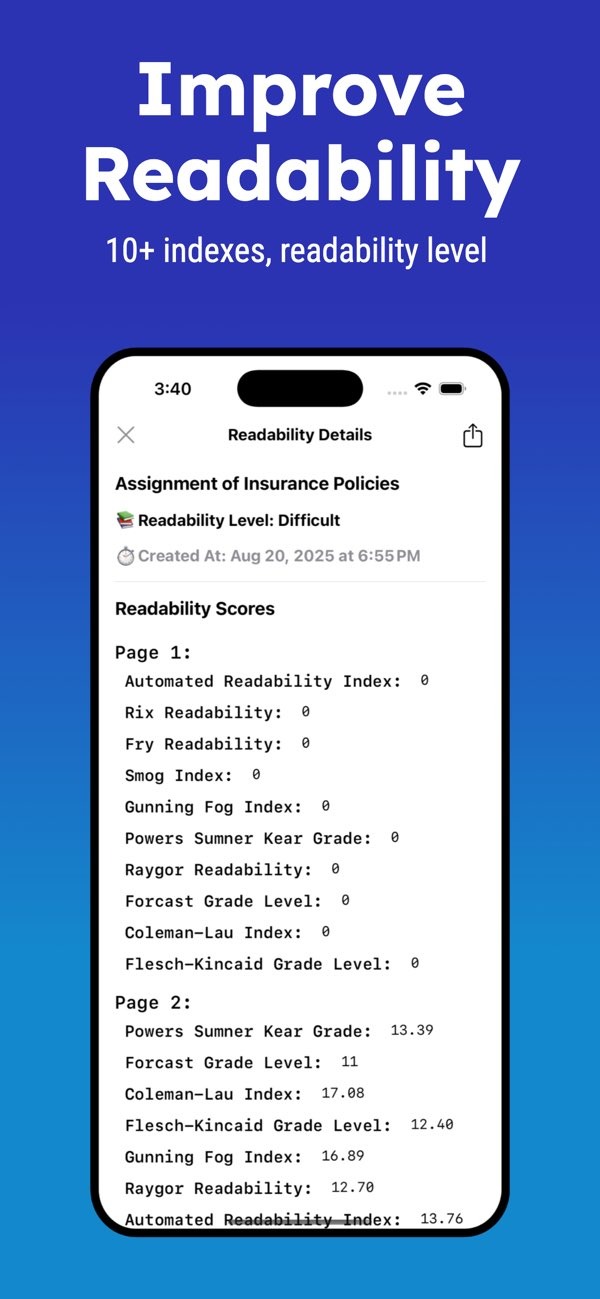
The Plagiarism Checker app includes instant checks by paragraph, tools that support readability improvement, and file history management. These features can help you keep your writing original and easy to read.

Practical Scenarios and Examples
Imagine a researcher wants to build on an earlier study. Instead of copying parts of the old paper, they should summarize the main results and cite the original work. They should then explain how the new study adds to or changes what was known before. This avoids self-plagiarism and shows how the research has developed.
Another example is reusing data from an earlier project. In that case, researchers should clearly state that the data was used before and cite the original dataset or publication. This kind of openness helps maintain trust and credibility in academic research.
Common Mistakes to Avoid
A common mistake is thinking self-plagiarism is less serious than other types of plagiarism. In academic settings, all forms of plagiarism are seen as integrity issues. Another mistake is not keeping track of what you have already published. That can lead to accidental reuse without proper citation.
To avoid these problems, keep a complete record of your publications and what each one contains. This makes it easier to notice when you are reusing earlier material. It also helps you decide when you need a citation or a clearer explanation.
Limitations and Trade-offs
Avoiding self-plagiarism is important, but you also need to build on earlier research. Reusing core ideas is often part of academic progress. The key is to do it with clear attribution and full transparency.
There is also a trade-off when using plagiarism detection tools. These tools can find matching text, but they may not always tell the difference between acceptable reuse and self-plagiarism. Use the results as guidance, not as a final decision.
Frequently Asked Questions
How can I avoid self-plagiarism in my writing?
To avoid self-plagiarism, cite your previous work when you reuse it, paraphrase and expand on ideas, and use plagiarism detection tools to check for overlap.
Why is self-plagiarism considered unethical?
Self-plagiarism is considered unethical because it can mislead readers, make productivity look higher than it is, and break copyright agreements. It can also weaken trust in the academic record.
Can plagiarism detection tools help prevent self-plagiarism?
Yes. Tools like the Plagiarism Checker can flag similarities with earlier works, which helps authors review their drafts and add citations where needed.
What are the consequences of self-plagiarism?
Consequences can include paper retraction, damage to reputation, and academic penalties. The outcome depends on the rules of the institution or publisher.
For academics and researchers who want to protect the integrity of their work, tools like the Plagiarism Checker on iOS can be a useful part of the writing process. Visit Editr Apps for more information on tools that support academic excellence.