How can I use paraphrasing to make my writing clearer?
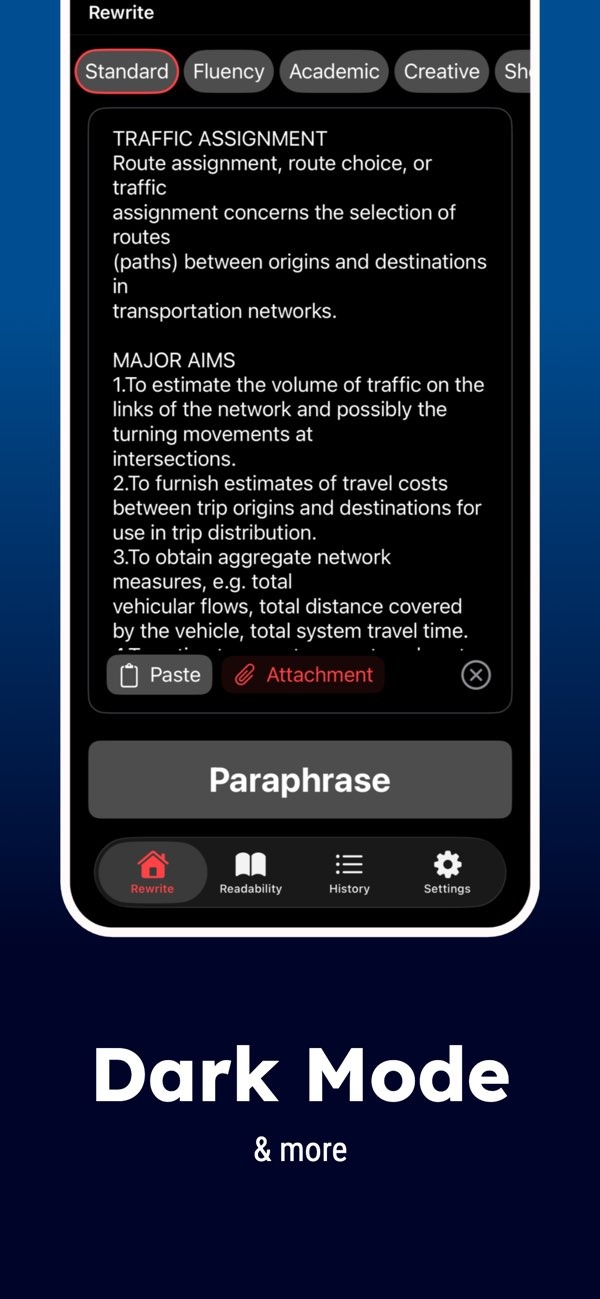
Paraphrasing is a useful way to make writing clearer. You do this by rewriting text in new words while keeping the same meaning. With the Paraphrase tool on iOS, you can turn hard-to-read sentences into simpler ones. This can make your writing easier for more people to understand.
 |
 |
Understanding Paraphrasing
Paraphrasing means saying the same thing in your own words without changing the meaning. To do it well, you need to understand the source text first. Then you explain it in a different way. This skill helps improve readability and helps your audience understand what you want to say.
Why Paraphrasing Enhances Clarity
Paraphrasing improves clarity because it can simplify complex ideas. It can also remove jargon and very technical terms. This helps you match your message to what your audience knows. When you break a hard idea into simpler words, readers can understand the main point more easily.
Examples of Effective Paraphrasing
Consider this example: “The utilization of paraphrasing can significantly augment the lucidity of your prose.” A paraphrased version could be: “Using paraphrasing can make your writing much clearer.” The second sentence is more direct and easier to read. It shows how paraphrasing can improve clarity.
Steps to Improve Writing Clarity Using Paraphrasing
You can improve clarity with paraphrasing by following a few steps. Here is a detailed guide to help you paraphrase well:
1. Understand the Original Text
Before you paraphrase, make sure you understand the original text. Read it more than once and look for the main ideas. Pay attention to the context. This helps you share the same message in your own words.
 |
 |
2. Identify Key Points
Mark or write down the key points in the text. This keeps you focused on what matters most. It also helps you include the important ideas in your new version. When you do this, your paraphrase stays true to the original meaning.
3. Use Synonyms and Different Sentence Structures
Swap some words for synonyms and change the sentence structure. This helps you create a fresh version of the text. For example, instead of saying “The cat sat on the mat,” you could say “The feline rested on the rug.” Changing both the words and the structure makes your version different from the original.
4. Maintain the Original Meaning
When you paraphrase, keep the original meaning the same. Do not change the main message. Do not add new ideas that were not in the source. This keeps your paraphrased text accurate and trustworthy.
5. Review and Revise
After you paraphrase, read your text again to check for clarity and flow. Look for grammar mistakes and awkward wording. Fixing these issues makes the writing smoother and easier to understand.
Common Mistakes in Paraphrasing
Paraphrasing can sometimes cause problems that hurt clarity or accuracy. Here are some common mistakes to avoid:
1. Changing the Meaning
A common mistake is changing the meaning of the original text. This can happen if you pick the wrong synonym. It can also happen if you change the sentence in a way that shifts the message. Always check that your paraphrase still matches the original idea.
2. Overusing Synonyms
Synonyms can help, but too many can make sentences sound strange. If you rely on synonyms too much, the writing may feel forced or unnatural. Use simple, natural language so the text stays easy to read.
3. Failing to Simplify Complex Ideas
Paraphrasing should make ideas easier, not harder. Avoid adding technical terms or complex wording that may confuse readers. Instead, break the information into smaller, clear parts that are easier to digest.
Practical Scenarios for Using Paraphrasing
Paraphrasing helps in many types of writing, from school work to workplace messages. Here are a few common uses:
Academic Writing
In academic writing, paraphrasing helps you explain research in your own words. It also lets you use information from sources without quoting every line. This shows you understand the material and helps you fit it into your paper smoothly.
Professional Communication
At work, paraphrasing can help you share information in a clear way. It can be useful in emails, reports, and presentations. When you paraphrase well, coworkers and clients can understand your message more easily.
Creative Writing
Paraphrasing can also support creative writing. It lets writers express ideas in fresh ways. By rewording common phrases or familiar concepts, you can make your writing feel more original.
Limitations and Trade-offs of Paraphrasing
Paraphrasing is helpful, but it also has limits. Knowing these limits can help you use it in the right way:
1. Time-Consuming Process
Paraphrasing can take time, especially with long or difficult texts. You need to think carefully about word choice and sentence structure. You also need to make sure the meaning stays the same while the wording changes.
2. Risk of Plagiarism
If you paraphrase poorly, you may end up with unintentional plagiarism. This can happen if your version is too close to the original. Make sure your wording and structure are different enough to respect intellectual property.
3. Loss of Original Tone
Sometimes paraphrasing can change the tone or style of the original text. This can happen when you focus more on clarity than on voice. In these cases, you may need to balance keeping the tone with making the text easier to read.
Frequently Asked Questions
How does paraphrasing improve writing clarity?
Paraphrasing improves clarity by simplifying complex ideas, removing jargon, and matching the message to the audience’s level of understanding.
What are common mistakes in paraphrasing?
Common mistakes include changing the original meaning, using too many synonyms, and not simplifying complex ideas, which can reduce clarity and accuracy.
Can paraphrasing lead to plagiarism?
Yes. If it is done poorly, paraphrasing can cause unintentional plagiarism. Make sure your version is different enough from the original while keeping the same meaning.
What are the benefits of using a paraphrasing tool?
Paraphrasing tools can speed up the process by suggesting synonyms and new sentence structures that can improve clarity and readability.
If you want to improve clarity through paraphrasing, the Paraphrase tool on iOS can help. The app lets users rewrite and rephrase content with less effort. This can improve readability and help keep the message clear and concise. Visit Editr Apps to learn more about tools that can support your writing.
 |
 |