How can I learn about copyright and fair use through an app or online tool?
Copyright and fair use matter in today’s digital world, especially for content creators, educators, and students. One practical way to learn about these topics is to use the Plagiarism Checker on iOS. This app helps detect plagiarism and also highlights copyright concerns, which can help users understand how fair use works in real situations.
 |
 |
Key Facts About Copyright and Fair Use
- Copyright is a legal right that gives the creator of an original work control over how it is used and shared.
- Fair use is a legal doctrine that allows limited use of copyrighted material without permission from the rights holder.
- Knowing these concepts helps you avoid legal problems and supports ethical content creation.
Exploring Copyright and Fair Use
Copyright laws protect the work of creators. They help ensure creators get credit and, in many cases, payment for their work. Fair use, however, creates exceptions to these rights. It allows people to use copyrighted material in certain cases. Common purposes include criticism, comment, news reporting, teaching, scholarship, or research.
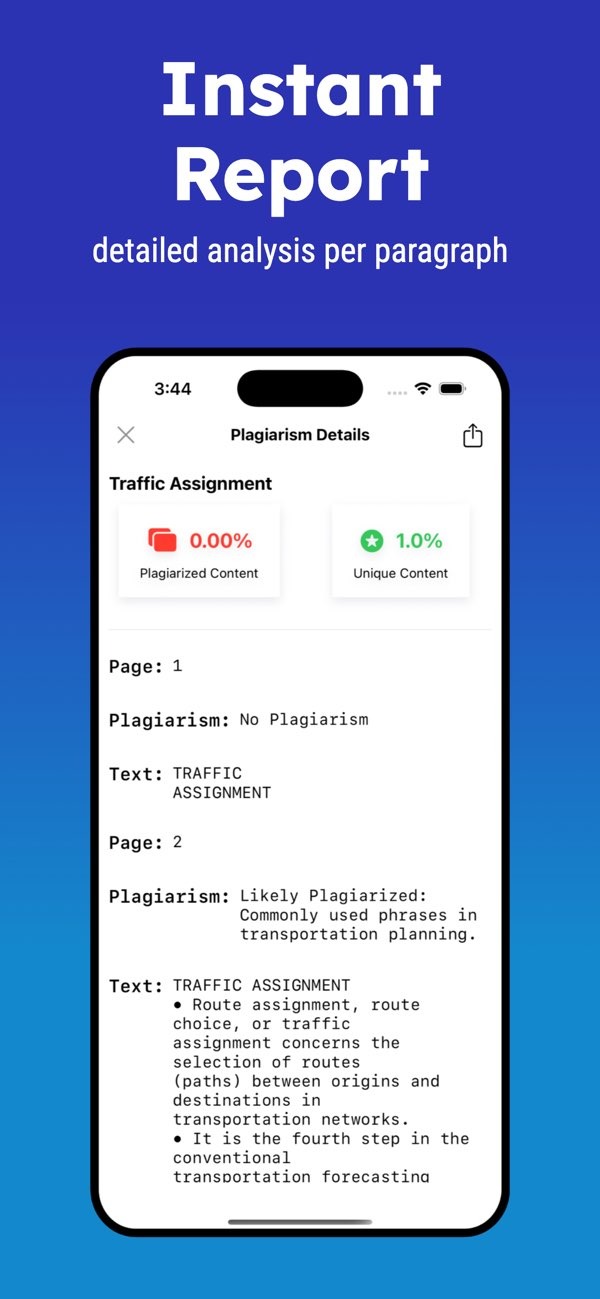
These topics can feel complex at first, but tools like the Plagiarism Checker app can make them easier to understand. The app gives a detailed plagiarism report. This can help users see when text may raise copyright concerns and when a use may be closer to fair use.
 |
 |
Using Plagiarism Checker for Copyright Education
The Plagiarism Checker app includes features that can support learning about copyright and fair use:
- Detailed Plagiarism Analysis: The app creates instant reports and shows plagiarism by paragraph, which can help users spot possible copyright issues.
- AI Detection and Rewriting: It can rewrite and rephrase content to make it unique. This can help users learn how to change text that may be too close to a source and move toward more original writing.
- Readability Improvement: With over 10 readability indexes, the app helps users improve clarity and keep writing at an appropriate reading level.
- File History and Sharing: Users can save a history of files, track edits over time, and share content for learning or review.
- Dark Mode Feature: Dark mode can make reading easier during long study sessions.
Practical Scenarios of Fair Use
To understand fair use, it helps to recognize common situations where copyrighted material may be used without permission. Here are a few examples:
Educational Use
Teachers and students often use fair use when they include copyrighted material in lessons and projects. For example, a teacher may use short excerpts from a book to explain an idea in class.
Criticism and Commentary
Critics and commentators may use copyrighted material to support an argument or add context. This may include quoting a book in a review or using a short film clip in a critique.
News Reporting
Journalists may use parts of copyrighted material when reporting on current events. For instance, they might quote a speech or use a photo to help explain a news story.
Common Mistakes in Understanding Copyright and Fair Use
Many people misunderstand copyright and fair use, which can lead to legal trouble. Here are some common mistakes:
Assuming All Educational Use is Fair Use
Education is one factor in fair use, but it does not guarantee fair use. Other factors also matter, such as how much is used and whether the use affects the market for the original work.
Believing Attribution Equals Fair Use
Giving credit to the creator does not automatically make a use fair. Fair use depends on specific legal factors, not on attribution by itself.
Misunderstanding the Public Domain
Public domain works can be used without permission. Still, it can be hard to know when a work enters the public domain. It often depends on the publication date and the laws in a specific country or region.
Limitations and Trade-offs of Using Online Tools
Online tools like Plagiarism Checker can be helpful, but they also have limits. They can flag possible copyright concerns, but they cannot give a final legal decision. It is best to treat the results as guidance within a broader understanding of copyright and fair use.
Tools can also help improve readability and originality, but they may miss key details that matter in fair use analysis. For that reason, users should also read reliable sources and, when needed, seek legal advice.

Frequently Asked Questions
How does fair use differ from copyright?
Fair use is an exception to copyright. It allows limited use of copyrighted material without permission for specific purposes, such as education and criticism.
Can Plagiarism Checker help with understanding fair use?
Yes. Plagiarism Checker provides detailed plagiarism analysis that can help users see when content may infringe on copyright or may be closer to fair use.
Is all educational use considered fair use?
No. Not all educational use qualifies as fair use. Factors such as the purpose, the amount used, and the effect on the market are also considered.
What are some common mistakes in understanding copyright?
Common mistakes include assuming all educational use is fair use and believing attribution alone qualifies as fair use.
If you want to learn more about copyright and fair use, the Plagiarism Checker on iOS offers tools for analyzing and improving content. You can also explore this app and related tools by visiting Editr Apps.